

FIVE ELEMENT DIAGNOSIS
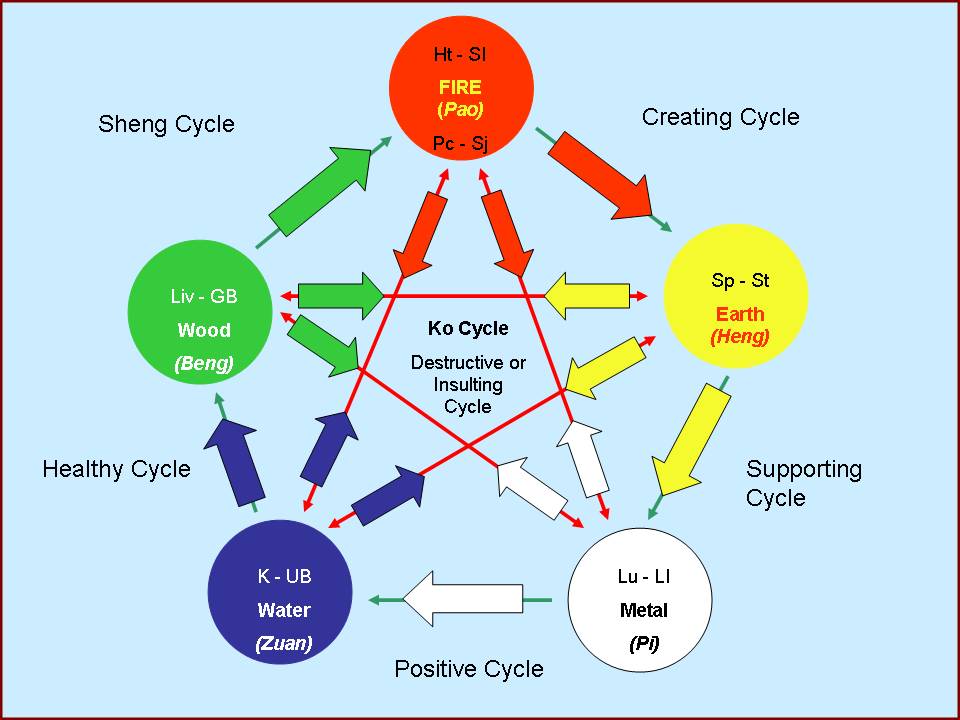
This is a basic requirement of
Traditional Chinese Medicine (TCM) prior to therapy. The patient's
complaints are studied and examination of tongue, pulse and other
organ systems is made to arrive at a TCM diagnosis.
Treatment of a patient rests on restoring the delicate balance between the five elements and thereby the organ pairs themselves.
The duration of treatment depends on the chronicity of the disease and impaired energy flow in the channels and integrity of the organ systems themselves.
Virtually all diseases except cancers, infections and surgical conditions are treatable by acupuncture. However, even the cachexia associated with chemotherapy for cancers can also be treated by acupuncture.
The World Health Organization (WHO), in its 2003 report has classified diseases that can be treated successfully by acupuncture into four categories as follows:
a. Diseases, symptoms or conditions for which acupuncture has been proved through controlled trials to be an effective treatment
b. Diseases, symptoms or conditions for which the therapeutic effect of acupuncture has been shown but for which further proof /studies is/are needed
c. Diseases, symptoms or conditions for which there are only individual controlled trials reporting some therapeutic effects, but for which acupuncture is worth trying because treatment by conventional and other therapies is difficult.
d. Diseases, symptoms or conditions for which acupuncture may be tried provided the practitioner has special modern medical knowledge and adequate monitoring equipment
Opthalmic
diseases like Retinitis pigmentosa, Optic
Atrophy, Night Blindness, Cataracts, Myopia, Corneal Ulcers,
Glaucoma (Both Open and Closed angle), Conjuctivitis (Acute &n
Chronic), Hay fever, Watery eyes, Crossed eyes, post-stroke ocular
disease and blepharitis (eyelid diseases) have
all been successfully treated by acupuncture and a TCM
approach.
This list is neither comprehensive nor complete and there are many more conditions that benefit from acupuncture. Please call on us or visit with an appointment to know more.
Please do bring all the
investigation reports like x-rays, CT-scans, MRI, laboratory
reports, surgical reports, discharge summaries and other medical
documents for review during your visit.
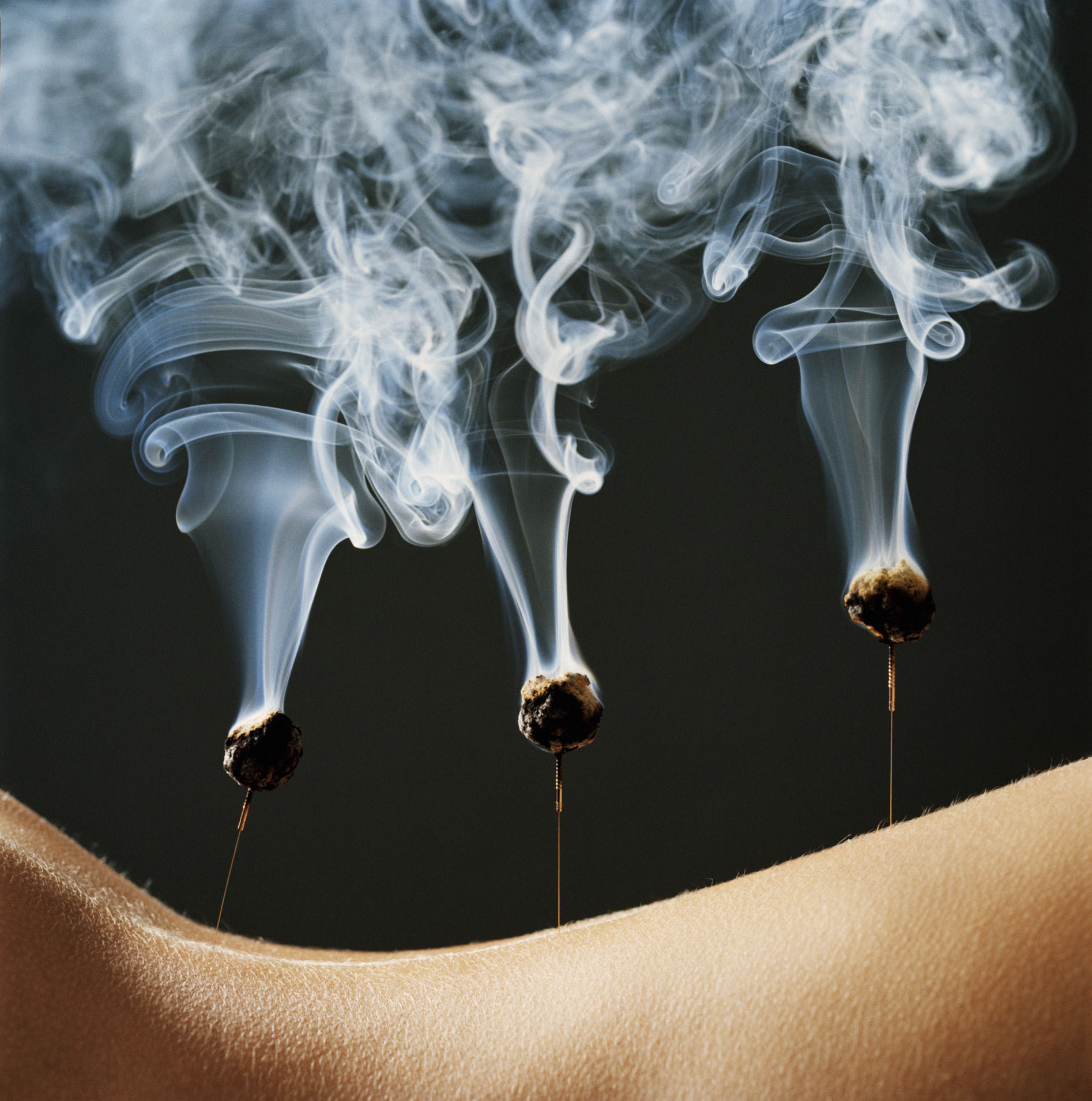
Moxa-on-Needle therapy in Acupuncture
Electro-Acupuncture treatment in progress
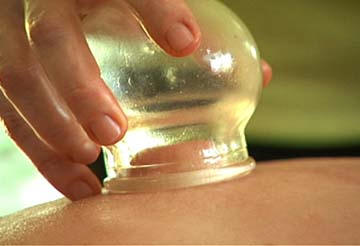
Fire-Cupping therapy in progress
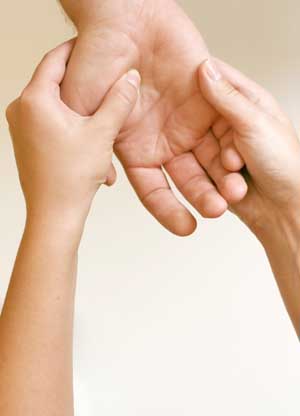
Acupressure is a good tool, specially for self-treatments at
home.
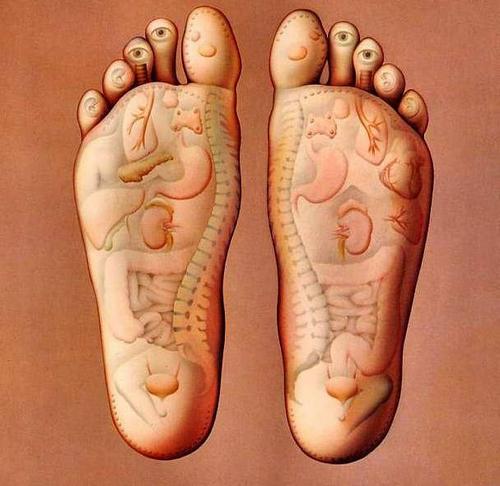
Foot Acupressure points

Connect With SRAC Online!


You are visitor
no.